

Introduction: A Simple Step Toward Healthier Living
What if the vegetables on your plate were grown by you fresh, safe, and completely free from harmful chemicals?
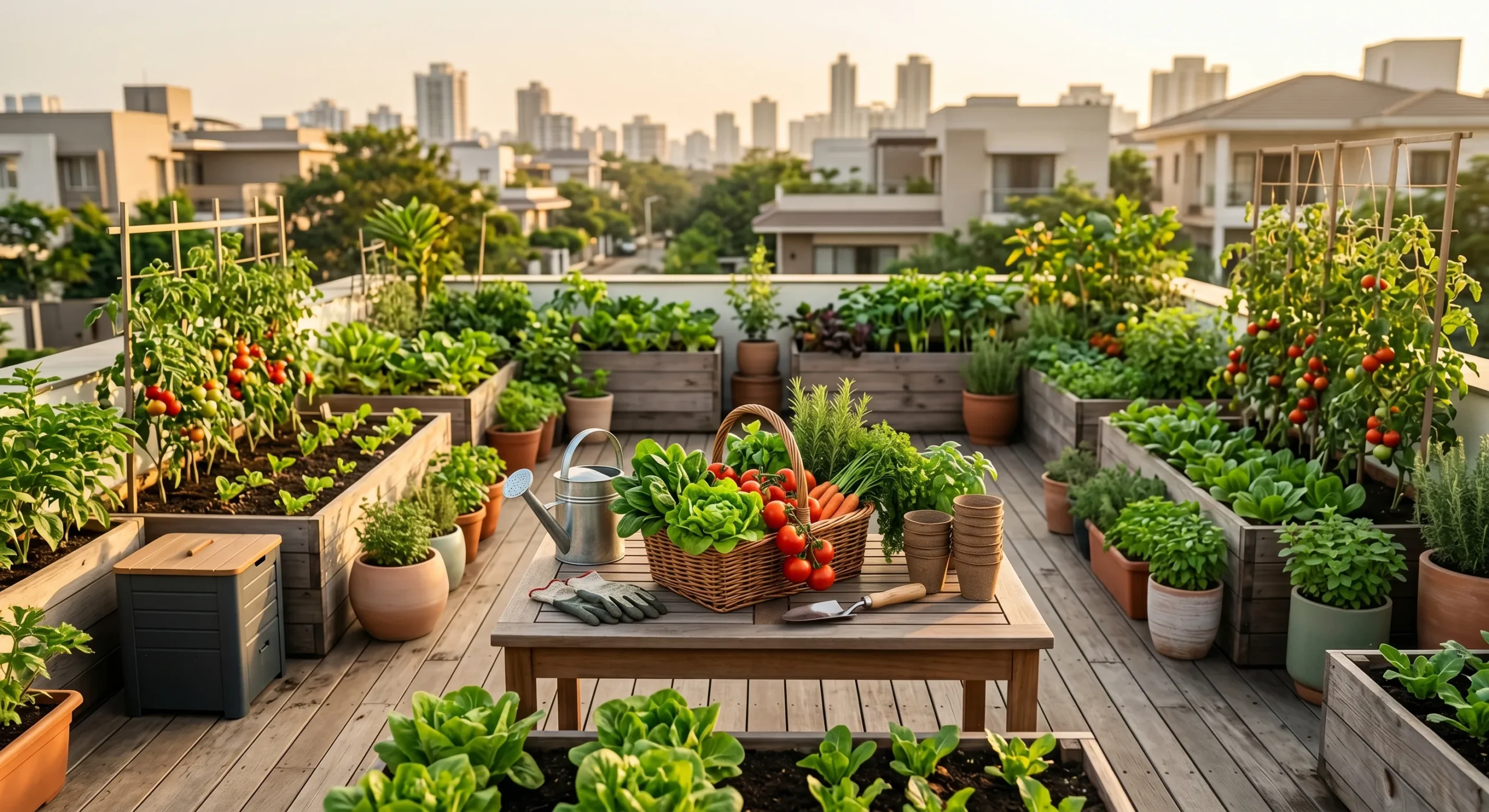
More people today are choosing to grow their own food, even in small urban spaces. It’s not just a trend. It’s a conscious shift toward healthier living and sustainability.
In this blog, we’ll explore the top benefits of growing chemical-free vegetables and how solutions from Krushikala make it easier than ever to start your own urban garden.
What Are Chemical-Free Vegetables?
Chemical-free vegetables are grown without synthetic pesticides, fertilizers, or harmful chemicals.
Instead, they rely on:
- Natural compost and organic nutrients
- Eco-friendly pest control methods
- Sustainable farming practices
This results in cleaner, safer, and more nutritious produce.
5 Benefits of Growing Your Own Chemical-Free Vegetables
1. Better Health and Nutrition
Homegrown vegetables are fresher and richer in nutrients.
- No exposure to harmful pesticides
- Higher vitamin and mineral content
- Safer for children and families
When you grow your own food, you know exactly what goes into it.
2. Reduced Environmental Impact
Growing chemical-free vegetables helps protect the environment.
- Prevents soil and water pollution
- Reduces carbon footprint from transportation
- Supports biodiversity and natural ecosystems
Even a small home garden can make a difference.
3. Freshness and Superior Taste
There is a noticeable difference in taste when vegetables are freshly harvested.
- Better flavor and texture
- No storage or transport delays
- Nutrients are preserved
You can harvest exactly when needed, ensuring peak freshness.
4. Cost Savings Over Time
While there may be some initial setup cost, growing your own vegetables can save money in the long run.
- Lower grocery bills
- Reduced dependency on market produce
- Efficient use of kitchen waste for compost
It’s an investment that pays off over time.
5. Personal Satisfaction and Mental Well-being
Gardening is not just productive it’s also therapeutic.
- Reduces stress and anxiety
- Builds a connection with nature
- Creates a sense of accomplishment
Watching your plants grow and harvesting your own food brings unmatched satisfaction.
How Krushikala Makes It Easy to Start
Starting your own chemical-free vegetable garden can feel overwhelming at first. That’s where Krushikala helps simplify the process.
Smart and Beginner-Friendly Solutions
- Easy-to-use farming kits
- Step-by-step guidance for beginners
- Efficient systems for small urban spaces
Sustainable Growing Methods
- Focus on eco-friendly practices
- Water-efficient solutions
- Chemical-free growing support
End-to-End Assistance
From setup to harvest, Krushikala provides continuous support, making urban farming accessible for everyone.
Practical Tips for Beginners
If you are just starting out, keep things simple.
Start Small
Begin with a few plants like spinach, coriander, or tomatoes.
Choose the Right Location
Ensure your plants get at least 4–6 hours of sunlight daily.
Use Good Quality Soil
Opt for organic soil mixed with compost.
Water Smartly
Avoid overwatering. Keep the soil moist, not soggy.
Monitor Regularly
Check for pests and plant health every day.
Common Mistakes to Avoid
- Starting with too many plants at once
- Ignoring sunlight requirements
- Overwatering or underwatering
- Using poor-quality soil
- Expecting instant results
Avoiding these mistakes can improve your success rate significantly.
FAQs
1. What are chemical-free vegetables?
They are vegetables grown without synthetic pesticides, fertilizers, or harmful chemicals.
2. Can I grow vegetables at home without chemicals?
Yes, you can use organic compost and natural pest control methods to grow them safely.
3. Which vegetables are best for beginners?
Spinach, mint, coriander, tomatoes, and chilies are easy to grow at home.
4. Is growing your own vegetables cost-effective?
Yes, it reduces grocery expenses over time and provides fresh produce regularly.
5. How does chemical-free farming benefit the environment?
It prevents pollution, conserves soil health, and supports biodiversity.
Conclusion
Growing your own chemical-free vegetables is a simple yet powerful step toward better health and a more sustainable lifestyle. It gives you control over what you eat, reduces environmental impact, and brings a sense of fulfillment.
With the support of innovative solutions from Krushikala, starting your own garden has never been easier.
Take the first step today grow your own food and experience the difference.