

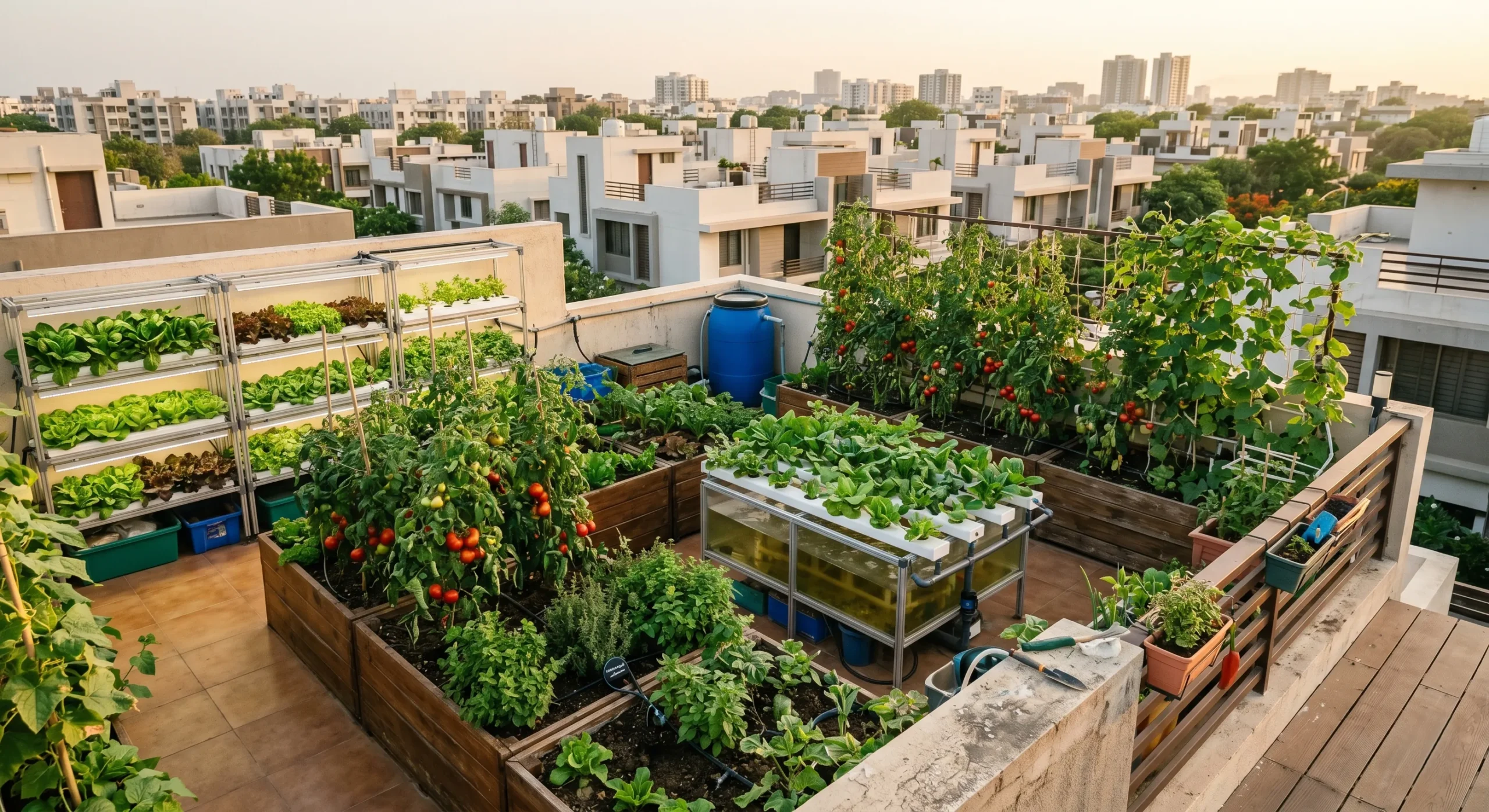

Introduction: Rethinking How We Grow Food
The way we produce food is changing and for good reason.
With rising population, climate challenges, and shrinking natural resources, traditional farming methods are under pressure. The need for smarter, more responsible agriculture has never been greater.
This is where sustainable agriculture comes in. It focuses on growing food in a way that protects the environment, conserves resources, and ensures long-term productivity.
In this blog, we’ll explore why sustainable agriculture is more than just a trend and how innovative solutions from Krushikala are helping build a greener future.
What is Sustainable Agriculture?
Sustainable agriculture is a farming approach that meets current food needs without harming future generations.
It focuses on:
- Protecting natural resources
- Reducing environmental impact
- Promoting biodiversity
- Ensuring long-term productivity
The goal is simple: grow more while harming less.
Why Sustainable Agriculture is Crucial for the Future
Growing Food Demand
The global population continues to rise, increasing the demand for food. Sustainable practices help meet this demand without exhausting resources.
Climate Change Challenges
Extreme weather and unpredictable climates affect crop production. Sustainable farming builds resilience against these changes.
Resource Scarcity
Water, soil, and energy are limited. Efficient use of these resources is essential for long-term food security.
Key Sustainable Agriculture Practices
1. Soil-Less Farming
Soil-less methods like hydroponics and aeroponics are transforming agriculture.
- Uses nutrient-rich water instead of soil
- Requires less space
- Reduces risk of soil-borne diseases
This makes it ideal for urban and controlled environments.
2. Water Conservation Techniques
Water is one of the most critical resources in farming.
Sustainable systems focus on:
- Drip irrigation
- Recycling water in closed systems
- Precision watering using sensors
These methods significantly reduce water waste.
3. Eco-Friendly Technologies
Technology plays a vital role in sustainable agriculture.
- IoT-based monitoring systems
- Automated irrigation
- Energy-efficient lighting for indoor farms
These innovations improve efficiency while minimizing environmental impact.
4. Organic and Chemical-Free Farming
Reducing chemical usage protects both people and the environment.
- Improves soil health
- Prevents water contamination
- Produces safer, healthier food
5. Controlled Environment Farming
Indoor farming systems allow precise control over:
- Temperature
- Humidity
- Light
This leads to consistent crop quality and higher yields.
Benefits of Sustainable Agriculture
Environmental Benefits
- Reduces carbon footprint
- Conserves water and soil
- Supports biodiversity
Economic Benefits
- Long-term cost savings
- Efficient resource use
- Stable crop production
Social Benefits
- Healthier food for communities
- Better working conditions
- Supports local food systems
How Krushikala is Driving Sustainable Agriculture
Krushikala is actively contributing to a more sustainable food system through advanced farming solutions.
Smart, Resource-Efficient Systems
Krushikala integrates technology to reduce water usage and optimize plant growth.
Soil-Less and Urban Farming Solutions
Their systems support hydroponic and space-efficient farming methods.
Eco-Friendly Approach
Focus on reducing chemical use and promoting sustainable practices.
Accessible for Everyone
From beginners to professionals, Krushikala makes sustainable farming easy to adopt.
Practical Tips to Adopt Sustainable Farming
- Start with water-efficient irrigation methods
- Use organic compost instead of chemical fertilizers
- Try soil-less farming techniques like hydroponics
- Monitor resource usage regularly
- Use smart tools to improve efficiency
Common Mistakes to Avoid
- Overusing water or fertilizers
- Ignoring soil or system health
- Starting without proper planning
- Avoiding technology that can improve efficiency
FAQs
1. What is sustainable agriculture?
It is a method of farming that protects the environment while ensuring long-term food production.
2. Why is sustainable agriculture important?
It helps conserve resources, reduce environmental impact, and ensure food security for future generations.
3. What are examples of sustainable farming practices?
Hydroponics, drip irrigation, organic farming, and IoT-based monitoring systems.
4. Can sustainable farming increase productivity?
Yes, efficient resource use and controlled environments often improve yield and quality.
5. Is sustainable agriculture suitable for urban areas?
Yes, especially with methods like vertical farming and soil-less systems.
Conclusion
Sustainable agriculture is not just a trend it is a necessity for the future of food production. It offers a balanced approach that benefits the environment, economy, and society.
With innovative solutions from Krushikala, adopting sustainable farming practices has become easier and more effective than ever.
Now is the time to rethink how we grow food and take steps toward a greener, more sustainable future.