


Introduction: The Backbone of Sustainable Agriculture
Across farms, fields, and urban gardens, women have always played a vital role in agriculture. Yet, their contributions have often gone unnoticed.
Today, that is changing.
Women are not only participating in farming they are leading the shift toward sustainable agriculture. With a focus on resource conservation, community well-being, and long-term impact, women are shaping a more responsible food system.
In this article, we explore the growing role of women in sustainable farming and how Krushikala is actively supporting women empowerment in agriculture.
Why Women Are Central to Sustainable Farming
Deep Connection with Natural Resources
Women farmers often manage:
- Soil health
- Water usage
- Seed selection
Their close involvement encourages practices that protect and preserve resources.
Focus on Long-Term Sustainability
Unlike short-term, yield-focused approaches, women tend to prioritize:
- Soil fertility
- Biodiversity
- Sustainable crop cycles
This aligns directly with the goals of sustainable agriculture.
Community-Centered Approach
Women play a key role in:
- Household food security
- Nutrition management
- Knowledge sharing within communities
Their impact extends beyond farms into entire ecosystems.
How Women Are Driving Change in Sustainable Farming
1. Adoption of Eco-Friendly Practices
Women are leading the use of:
- Organic farming methods
- Chemical-free cultivation
- Natural pest control
These practices reduce environmental harm and improve food quality.
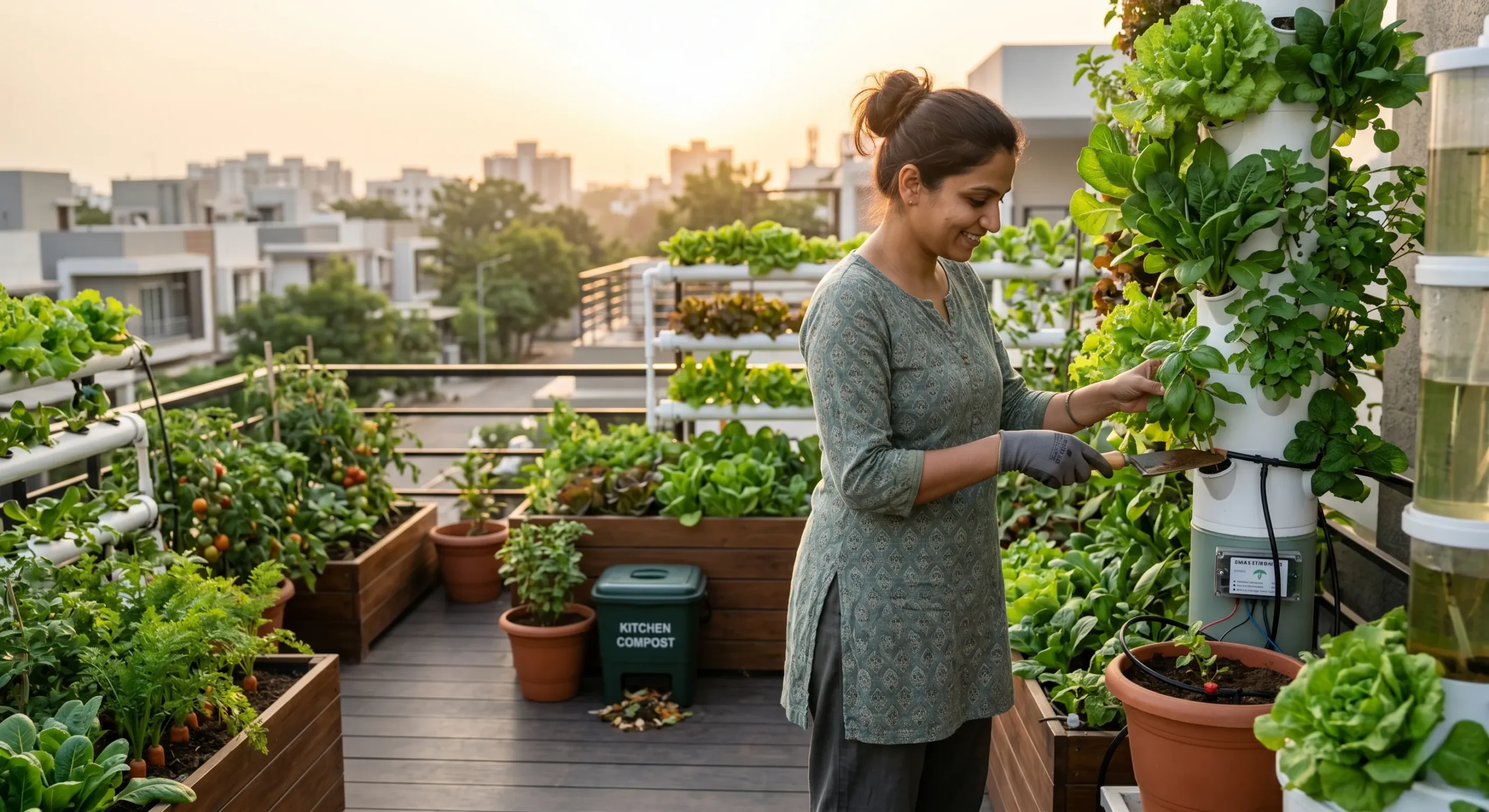
2. Promoting Urban and Small-Scale Farming
In urban areas, many women are adopting:
- Balcony and rooftop gardening
- Vertical farming systems
- Community gardening initiatives
This helps increase local food production and sustainability.
3. Efficient Resource Management
Women are known for making the most of limited resources.
- Optimizing water usage
- Recycling organic waste
- Using low-cost, sustainable inputs
Their efficiency supports eco-friendly farming systems.
4. Knowledge Sharing and Education
Women actively share farming knowledge within their communities.
- Teaching sustainable techniques
- Encouraging healthy food habits
- Supporting local farming networks
This creates a ripple effect of positive change.
Challenges Faced by Women in Agriculture
Despite their contributions, women still face several barriers:
- Limited access to land ownership
- Lack of financial resources
- Reduced access to training and technology
- Social and cultural constraints
Addressing these challenges is essential for building an inclusive and sustainable agricultural system.
How Krushikala is Empowering Women in Farming
Krushikala recognizes the importance of women in agriculture and actively supports their growth and participation.
Inclusive Workforce Opportunities
Krushikala promotes equal opportunities for women across roles in agriculture and technology.
Skill Development and Training
Women are provided with hands-on training in modern and sustainable farming techniques.
Access to Smart Farming Tools
User-friendly systems make it easier for women to adopt urban and smart farming practices.
Leadership and Participation
Women play a key role in decision-making, innovation, and operations within the company.
Benefits of Women-Led Sustainable Farming
Stronger Food Security
Women prioritize nutrition and local food availability.
Healthier Farming Practices
Focus on chemical-free and eco-friendly methods improves food quality.
Community Growth
Empowered women contribute to stronger, more resilient communities.
Economic Independence
Farming provides income opportunities and financial stability.
Practical Ways to Support Women in Sustainable Farming
- Provide access to training and education
- Encourage participation in agricultural programs
- Promote access to financial resources and tools
- Support women-led farming initiatives
- Create awareness about their contributions
FAQs
1. Why are women important in agriculture?
Women contribute significantly to farming activities, resource management, and food security.
2. How do women support sustainable farming?
They promote eco-friendly practices, efficient resource use, and long-term agricultural sustainability.
3. What challenges do women farmers face?
They often face limited access to land, funding, education, and technology.
4. How can women be empowered in agriculture?
Through training, financial support, access to tools, and equal opportunities.
5. What role does technology play for women in farming?
Technology simplifies farming processes and helps women manage farms more efficiently.
Conclusion
Women are at the heart of sustainable farming. Their knowledge, resilience, and commitment to eco-friendly practices are shaping the future of agriculture.
Supporting women in farming is not just about equality it is essential for building a sustainable food system.
With initiatives from organizations like Krushikala, more women are gaining the tools and opportunities they need to lead this transformation.
Now is the time to recognize, support, and empower women in agriculture for a better and more sustainable future.